
Step 01
Inspect the evidence
Identify medically important look-alikes before choosing a response
Occasional invaders
Spider Control for Austin homes starts with the evidence. Check webs, accessible hiding places, entry gaps, and the insects that attract spiders. Request a free estimate to confirm the work your property needs.
The short answer
A spider inspection considers the animal, its web, the shelter around it, and nearby insect prey. At an Austin home, accessible porch lights, eaves, garage edges, and undisturbed storage can give the technician useful starting points. Web removal addresses reachable webs and egg sacs where appropriate; it does not guarantee that another web will never appear. Changes to lighting, clutter, and entry gaps may complement the treatment selected for the finding. Tell the team about repeated indoor sightings and any high or concealed areas before the visit. Access limits and proposed work are confirmed in the scope, with a free estimate before you authorize service.


A closer look
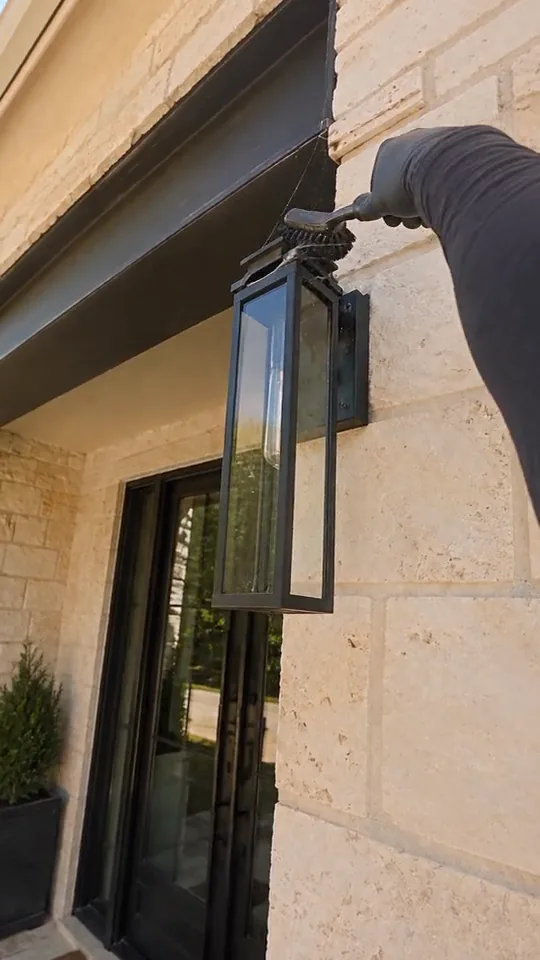
A brush removes a web around an exterior light. Web removal addresses accessible webs; the inspection also considers entry gaps, shelter, and insect prey.
No treatment can prevent every outdoor spider. The practical goal is to reduce recurring activity in occupied areas and correct the conditions supporting it.
Inspection first
Every visit starts with the property, not the product. This is what the technician checks before recommending anything.
Checked 01
Web type, body shape, hiding location, egg sacs, and likely species group
Checked 02
Door seals, utility gaps, exterior lighting, clutter, and prey activity
Inspection to treatment
Treatment selection follows the inspection, the written scope, and the applicable product label.
Step 01
Identify medically important look-alikes before choosing a response
Step 02
Remove accessible webs and egg sacs where appropriate and treat targeted harborage areas
Step 03
Reduce prey and access with lighting, exclusion, sanitation, and perimeter corrections
Scope before promises.
No treatment can prevent every outdoor spider. The practical goal is to reduce recurring activity in occupied areas and correct the conditions supporting it.
What it costs
Spiders are included on every recurring HiveGuard plan, and web removal is part of the scheduled visit. Heavy garage, attic, or crawl-area harborage may need a first-visit clean-out that is scoped during the inspection.
The initial-service fee is confirmed in your written quote. Payment authorization is collected at signup; the initial-service fee and first monthly payment are charged after initial service completion, plus applicable tax.
See pricing detailsRecurring plan
Year-round coverage for the pests that turn up in Austin homes, with the final scope confirmed before work begins.
$66*/month
Starting at $66 per month plus applicable tax. Total lot size determines the recurring price tier; existing pest issues may affect your quote. Twelve-month agreement; four scheduled visits. The quoted initial-service fee and first monthly payment are due after initial service completion.
Get startedYour visit record is designed to show what happened, not just that someone stopped by. Depending on the work performed, it can include before-and-after photos, areas inspected or treated, useful service notes, and the next steps discussed for the home.
Report recurring webs or indoor sightings with their location; the next step depends on access, evidence, and the agreed scope.
Some activity can continue while treatment and follow-up take effect. Note where and when you see pests and contact the team so we can review the visit record and next step. For covered pests, Call us and we’ll come back at no extra charge.
Read follow-up and cancellation answersPest-free guarantee
Call us and we’ll come back at no extra charge.
Good to know
Straight answers. If yours is not here, call (737) 247-7143 or text us and ask a human.
Web removal addresses accessible webs, but shelter, entry gaps, and insect prey can keep drawing spiders back. The inspection determines which of those conditions can be changed at your home.
Access and height affect what can be inspected or removed. Point out eaves, porch lights, storage, and recurring indoor sightings so the technician can confirm the accessible work before service.
Sometimes. Spiders settle where prey is available, so recurring spider activity can point to insects around lights, moisture, or openings. The inspection checks both the spider and its food source.
A clear photo can help, but markings, eye arrangement, size, and location may be needed for reliable identification. Avoid handling a suspected medically important spider.
Reviewed . Treatment selection follows inspection and the applicable product label.

Austin, TX · Text or call
Request a free estimate online, call, or text. We will review what you are seeing and help plan the right next step.
(737) 247-7143